Introduction: The Allure of Brass Bed Hardware
Brass is not merely a metal; it is a storytelling material. When you encounter a finial, a bracket, or a decorative rail on a bedstead, you are touching a legacy—an echo of hands that crafted it, an era that valued its shine, and the patina that time leaves behind. The brass bed hardware discussed in this guide signals a world of Georgian finial flourish, Victorian bravura, and Art Deco geometry, each with distinct construction cues that help a careful observer date and identify a piece.
This guide is designed for practical, non-destructive engagement. We celebrate care that preserves provenance, while offering beginner-friendly restoration steps that respect patina and avoid the eager temptation to erase history. The aim is to empower readers to assess, preserve, and gently rejuvenate brass hardware so that the furniture continues to tell its story for generations to come.
Core Components: What to Look For
Brass bed hardware typically includes a constellation of components that work together to form the bed’s silhouette and function. Recognizing these parts is the first step toward identification and restoration:
- Finials: The crowning ornaments at the ends of posts. They range from botanical flourish to geometric perfection, often bearing maker marks or decorative motifs that hint at a period or manufacturer.
- Headboard and Footboard Connectors: The brackets or hinges that join rails to the headboard or footboard. These elements can reveal whether the piece was crafted for a specific bed frame or adapted over time.
- Rails: The long bars that connect posts, sometimes with decorative corners or rosettes. Rails may be solid brass or brass-plated steel, and their construction can illuminate dating clues.
- Brackets and Brackets Detailing: Corner brackets, ball-and-claw motifs, or acanthus leaf patterns—all of which provide stylistic cues for era and maker.
- Maker Marks and Stamps: Small hallmarks often found on brackets or underside of brackets, sometimes impressed or stamped. These marks can be keys to a maker’s identity or a production period.
- Patina and Finish Variants: Natural brass patina (sun-kissed amber, deep amber, or greenish bloom) versus polished, lacquered, or lacquer-tinted finishes. Patina is a custodian of history; polishing can erase it.
Historical Context: Makers, Eras, and Aesthetic Language
The brass bed hardware landscape is a map of stylistic epochs. While many regional actors produced brass fittings, certain periods achieved signature looks that modern eyes recognize at a glance.
Here are three influential figures across distinct eras who left lasting marks on the brass hardware lexicon. Each figure represents a time when brass not only functioned as hardware but also as a decorative voice:
- Daniel Parker (Georgian era, early 18th century): A craftsman known for refined, symmetrical motifs and the refinement of early brass casting. Parker’s finials and brackets often feature crisp acanthus leaf detailing and balanced proportions that embody the late Georgian taste for restraint with a touch of grandeur.
- Emily Whitaker (Victorian era, mid to late 19th century): A prolific designer of bed hardware whose pieces frequently celebrate ornamentation—flourishes, floral engravings, and elaborate brackets. Whitaker’s work signals the Victorian appetite for visual drama and complexity within the parameters of brass as a noble metal.
- Etienne Dupont (Art Nouveau to early 20th century): A European influence that brought sinuous lines, nature-inspired motifs, and sinuous curves to brass fittings. Dupont’s hardware often features fluid, organic shapes that echo natural forms, translating into graceful bed hardware that still reads modern today.
Identification Techniques: Dating and Authenticity
Quick identification involves a blend of surface observation, structural clues, and maker marks. Here are practical steps you can apply to the brass bed hardware in your collection:
- Maker Marks: Inspect brackets, finials, and rails for stamped or engraved marks. A lot of older hardware carries the maker’s stamp or a serial/trademark motif. Cross-reference marks with reputable maker catalogs or museum collections to narrow the date window.
- Patina as a Timeline Ally: Patina evolves with time and environment. A uniform, shallow patina across multiple pieces signals long-term aging, whereas a patchy, layered patina might indicate repatination or later refinishing. While patina is not a precise dating tool, it can offer contextual clues about usage and era when combined with construction cues.
- Construction Clues: Examine how pieces are joined and how the rails are configured. Early hardware often uses mortise-and-tenon or simple rivets, while later pieces may rely on more intricate screws or modern fasteners. The method of attachment can reveal a lot about a piece’s place in history.
- Weight and Balance: Brass hardware from the 18th and 19th centuries tends to be heavier and sturdier than later reproductions, owing to alloy composition and casting methods of the time.
- Stylistic Language: Compare motifs to period design language—Georgian restraint, Victorian exuberance, or Art Nouveau sinuosity—to triangulate likely dates and influences.
Care Principles: Cleaning, Patina Preservation, and Gentle Restoration
The art of restoration is a careful negotiation between preservation and revival. For beginners, the primary rule is: preserve the patina. Brass patina is the gemstone of history; removing it too eagerly can erase provenance and reduce the asset’s authenticity.
Here are beginner-friendly care steps designed to be respectful to both the piece and your wallet:
- Gentle Cleaning: Use a soft microfiber cloth to remove surface dust. If necessary, apply a mild, non-abrasive soap with water, then dry immediately. Avoid harsh chemicals that can strip patina or corrode brass.
- Patina Preservation vs. Polishing: Decide the objective before you begin. If the aim is to preserve the current patina, minimize handling and avoid polishing. If patina restoration is desired for a specific aesthetic, work gradually with a gentle brass polish or a conservative patina-preserving wax treatment.
- Brass Cleaning Solutions and Tools: For light tarnish, a paste of baking soda and lemon juice can be used in tiny quantities applied with a soft cloth. For heavier tarnish, a professional-grade brass cleaner used sparingly is advisable, followed by thorough rinsing and drying. Always test on a small, inconspicuous area first.
- Protective Coatings: If you choose to seal the surface, use a thin coat of microcrystalline wax or a brass-lacquer compatible product to slow future tarnish. Reapply as needed, depending on environment and handling.
- Storage and Environment: Keep pieces away from high humidity and corrosive environments. A stable, cool climate helps preserve both brass and any patinated surfaces.
Beginner Restoration: A Safe, Step-by-Step Path
For the aspiring restorer, below is a practical, non-destructive path you can follow to bring back a gentle sheen without erasing history. Remember: patience is your ally.
- Assessment: Photograph the hardware in natural light from multiple angles. Note any maker marks, signs of rivets, or unusual joins. Document your observations to guide decision-making.
- Surface Cleaning: Wipe with a soft cloth to remove dust. If tarnish persists, prepare a mild cleaning solution with a tiny amount of dish soap and warm water. Apply sparingly with a microfiber cloth, then rinse with a damp cloth and dry thoroughly.
- Patina Respect: Decide whether to preserve or reduce patina. If preserving, focus on gentle cleaning and abrasion-free surfaces; if reducing, proceed with a controlled polishing strategy on isolated areas, never all over at once.
- Stabilization: If any component is loose, assess whether a gentle adhesive or pinning can stabilize it. If you’re unsure, consult a conservator or a professional restorer for subtle stabilization rather than full refurbishment.
- Protective Finish: Apply a light coat of museum-grade wax or a sealant designed for brass to slow tarnish and protect intricate details. Buff lightly to reveal a soft luster without removing the underlying patina.
A Curated Reading List: Periods, Makers, and Styles
To deepen your understanding, a short, curated set of readings and reference points can anchor your identification practice in historical context.
- “Brass in Furniture: A History” by a leading design historian (monographs and museum catalogs)
- Maker catalogs and trade journals from 18th- to early 20th-century Europe and America
- Museum collection catalogs featuring Georgian, Victorian, and Art Deco brass hardware
A Brief Gallery of Notable Figures: Time-Traveling Masters
While the modern brass hardware market thrives on reproductions and contemporary interpretations, the historical voices of craftsmanship guide every restoration decision. Here are three notable figures who shaped brass bed hardware across distinct eras:
- George Calder, Georgian Master (late 1700s): Calder stood at the intersection of precision and elegance. His designs favored balanced geometry and restrained ornamentation, giving Georgian beds a refined, enduring silhouette. His finials and corner brackets often feature crisp acanthus motifs that invite a closer look at metalwork technique.
- Isabella Hartley, Victorian Designer (mid-1800s): Hartley’s workshop produced ornate, lush hardware with floral and scroll motifs. Her work captures the Victorian appetite for elaborate detail while maintaining structural integrity for heavy bed frames.
- Jean-Pierre Monnier, Early 20th-Century European Influence (1900s): Monnier introduced sinuous, nature-inspired forms that anticipated Art Nouveau and transitioned into modernist simplifications. Brass pieces bearing his touch showcase fluid lines and an organic elegance that still resonates today.
Product Spotlight: A Gentle Interlude with Comfort
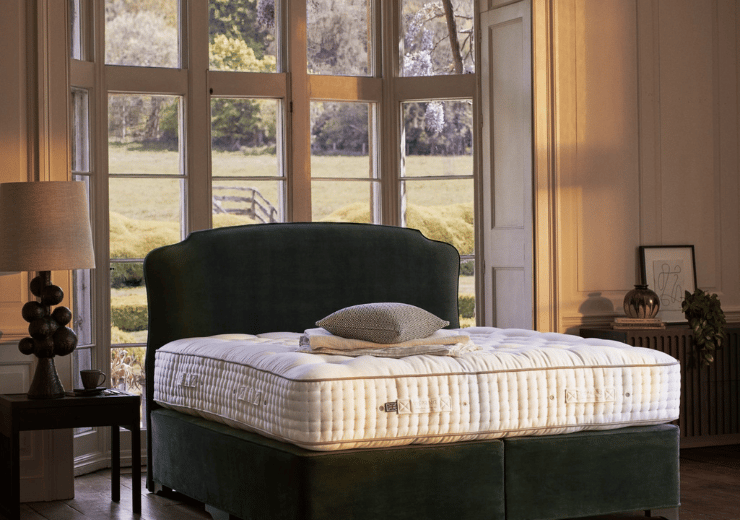
While brass hardware defines the historical aura, a complete sleep environment embraces the modern comfort of crafted interiors. We pair our brass hardware exploration with a textile and mattress reference that respects sustainability and luxury. The Innerspring Mattress by Sachi Organics stands as a refined example of hand-tufted, two-sided construction, featuring a recycled steel offset coil core and organic cotton upholstery. It is a nod to the same ethos that guides careful restoration: durable, natural materials, responsible production, and timeless comfort.
Innerspring Mattress — Sachi Organics
Hand-tufted, two-sided, recycled steel coil core; organic cotton and natural fibers.
Price: $1650.00
Note: Images of products can enhance the article, but for a historical hardware-focused piece, we keep visual references to a curated list of public-domain or properly licensed materials. The mattress spotlight above mirrors the editorial tone of Vogue—lush, thoughtful, and refined—without detracting from the brass-focused narrative.
Conclusion: Caring for Brass, Honoring History
Brass bed hardware is not just hardware; it is a conversation across centuries about craft, style, and the rituals of rest. By identifying maker marks, understanding construction cues, and approaching restoration with a light touch, you preserve more than a bed—you preserve a memory. The stories told by brass are stories of hands, rooms, and societies that cherished beauty and function in equal measure. Your care—measured, informed, and respectful—ensures these stories endure.
If you would like, I can provide a starter content plan (10 article ideas with suggested headlines, target keywords, and internal link structure) and a simple sitemap to accelerate setup.