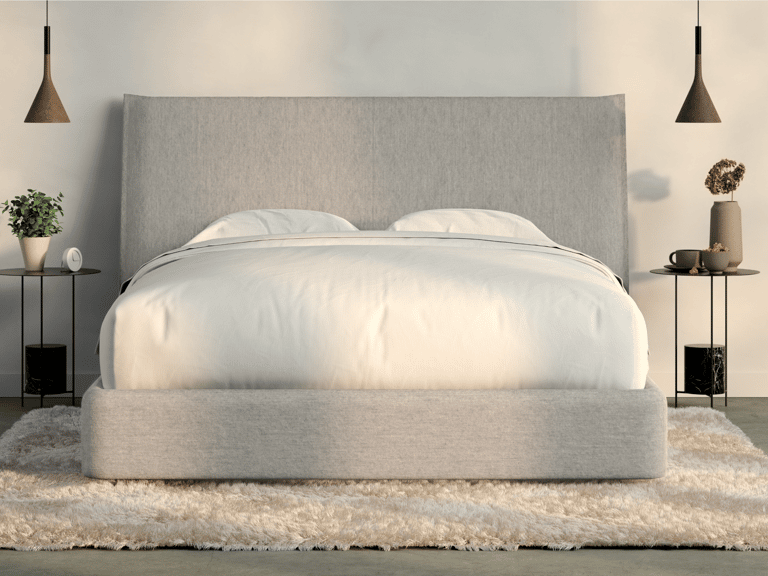
The considered bedroom
Choosing an Organic Mattress: Materials, Certifications, and Comfort
An organic mattress is more than a quiet luxury or a reassuring label. Its appeal lies in the details: what touches the skin, what supports the body, how each layer is made, and whether the claims can be verified. Learn how to read those details with confidence—and choose a mattress that feels as considered as it looks.
Published October 27, 2026
Choosing a mattress can feel like a study in competing promises. One model is described as natural; another as non-toxic, sustainable, or organic. These phrases may sound interchangeable, but they do not necessarily mean the same thing. A thoughtful comparison begins with the construction itself: the cover, comfort layers, support core, adhesives, and any treatments or finishes used along the way.
Organic mattresses have become an appealing choice for people who want their bedroom materials to reflect wider priorities around sourcing, indoor environments, and longevity. Yet a certification badge is only useful when you understand what it applies to, and a beautifully sourced material still has to feel right beneath you. The goal is not to select the mattress with the most persuasive vocabulary. It is to find the one whose documented materials, construction, support, and comfort suit your life.
Begin with the layers, not the label
A mattress is a small architecture. Its outer cover, cushioning layers, and central support system work together, and each can be made from different materials. A product described as organic may include certified organic components without every part of the finished mattress being organic. Conversely, a mattress may use natural materials without being certified as organic. Reading the construction breakdown is therefore more revealing than relying on a headline claim.
Start with the cover. It is the textile closest to the sleeper and often sets the first impression of the mattress: smooth or textured, cool or softly insulating. Covers may use cotton, wool, or blends, and the relevant questions include how the fibres were sourced, whether the fabric itself is certified, and whether it has been treated or quilted with additional materials. If a cover is removable, check the care instructions before assuming it can be washed at home.
Next, examine the comfort layers. These are the materials between the cover and the support core, shaping the initial feel and how the surface responds to weight. Natural latex, wool, cotton, and other fibres can each contribute different qualities. Their performance depends on thickness, density, arrangement, and the mattress as a whole—not simply on whether a material is natural. A thin layer of a particular fibre will not create the same experience as a substantial, carefully engineered layer.
Finally, look at the support core. Innerspring designs use metal coils to provide structure and responsiveness; other mattresses use foam or latex cores. The core can influence how the mattress supports different body areas, how easily a sleeper changes position, and how well movement is contained. Ask what the core is made from, how it is constructed, and whether the manufacturer describes the mattress as one-sided or designed to be turned. Construction is the foundation of both comfort and expected care.
What organic and natural materials can—and cannot—tell you
Organic materials are generally associated with production standards that address how agricultural materials are grown and processed. Natural materials, by contrast, is a broader descriptive phrase. It may identify a material’s origin, but on its own it does not establish a particular farming method, processing standard, or finished-product certification. Neither word, without supporting detail, offers a complete account of a mattress.
For cotton, ask whether the claim concerns the fibre, the fabric, or the finished product. For wool, find out whether it is used as batting, a quilted layer, or a textile blend, and look for clear information about sourcing and processing. For latex, check whether the manufacturer identifies the type and composition, and whether an independent standard verifies any organic claim. These distinctions do not make one material automatically superior; they make the comparison more precise.
Materials also behave differently in use. Wool is often selected for its familiar insulating and moisture-managing qualities. Cotton can create a breathable textile or cushioning layer. Latex is valued in mattress construction for its springy, responsive feel, though the experience varies with formulation and firmness. Innerspring systems offer a different kind of support and bounce. The right choice depends on how these materials are combined, as well as on your own preferences and sleeping position.
It is equally important not to assume that “organic” means chemical-free, universally hypoallergenic, or suitable for every person. Mattresses are complex assembled products; natural materials may still be processed, and people can have sensitivities to a variety of substances, including naturally derived ones. If you have a specific health concern or known allergy, consult a qualified healthcare professional and request detailed product information from the manufacturer rather than treating a broad marketing phrase as medical guidance.
How to read mattress certifications
Independent certifications can help make material claims more legible. They are most useful when you identify the certifying body, understand the standard, and establish which components are covered. A certificate might apply to a raw fibre, a textile, a foam component, or a finished product. Those are not equivalent assurances. A brand’s general statement about certified materials should prompt a closer look at the scope of the certification, not end the enquiry.
When reviewing a certification, consider these questions:
- What exact material or component does the certification cover?
- Does it apply to the finished mattress, or only to an ingredient or material supplier?
- Is the certificate current, and can the claim be verified through the relevant certifier?
- Does the standard address farming, processing, chemical restrictions, emissions, or another specific issue?
- Are there components—such as adhesives, thread, fire barriers, or quilting materials—that sit outside the stated scope?
Certification names can sound similar while addressing different parts of production. Some standards focus on organic agriculture or chain of custody; others assess emissions or restricted substances in particular materials. A certification should not be treated as a universal seal of comfort, durability, environmental impact, or safety. It is evidence about the criteria defined by that particular programme. Read it in context, and look for transparent documentation rather than a badge reproduced without explanation.
It is also reasonable to ask the manufacturer for a complete materials list and clarification of any terms that seem broad. A useful response should distinguish between certified and non-certified components, explain what each layer does, and point to the applicable standard or certificate. If the available description leaves you uncertain about what is actually inside the mattress, keep comparing. Clarity is part of product quality.
Comfort is personal—and construction is its language
The word “comfort” is intimate, not universal. Firmness descriptions are helpful as a starting point, but they are not a standardised promise of how a mattress will feel in your home. Body shape, weight, sleeping position, mobility, temperature preferences, and the bed base can all affect the experience. A mattress that feels gently supportive to one person may feel too yielding or too firm to another.
Think first about pressure relief. Side sleepers often pay close attention to the shoulder and hip, where a surface that is too firm may feel unforgiving. Back sleepers may prefer a balance that supports the torso without making the surface feel rigid. Stomach sleepers may seek a firmer, more stable feel, though individual needs vary. These are useful considerations, not prescriptions: if pain, injury, or a medical condition affects your sleep, seek professional advice.
Support and softness are not opposites. A mattress can have a cushioned surface while retaining a more structured core, or it can feel buoyant and responsive without feeling hard. Ask how the comfort layers are intended to work with the support system. Look for a description of the mattress’s overall feel rather than a long list of materials presented without explanation.
Movement matters, too. Couples may want to consider whether one sleeper can change position without noticeably disturbing the other. A person who enjoys a responsive surface may prioritise ease of movement, while someone who likes to sink into cushioning may value a more enveloping feel. Temperature preferences also deserve attention. Breathable covers and well-considered construction can influence the sleeping environment, but no single fibre or material guarantees a particular temperature outcome for every sleeper.
Using Naturepedic as a point of comparison
Naturepedic can serve as a practical reference when learning how to evaluate organic mattress claims. Rather than treating a familiar brand name as a shortcut, use the same questions you would ask of any maker: What is in the cover? Which materials form the comfort layers and support core? What does each certification cover? How is firmness described, and what information is available about the mattress’s construction and care?
This approach keeps the focus on verifiable details. A brand may offer a useful example of how to present materials and standards, but every specific model should be assessed on its own documentation. Product lines can differ, certifications may apply to selected components, and construction details can change. Confirm the information for the exact mattress you are considering, especially if certification, a particular material, or compatibility with your bed frame is central to the decision.
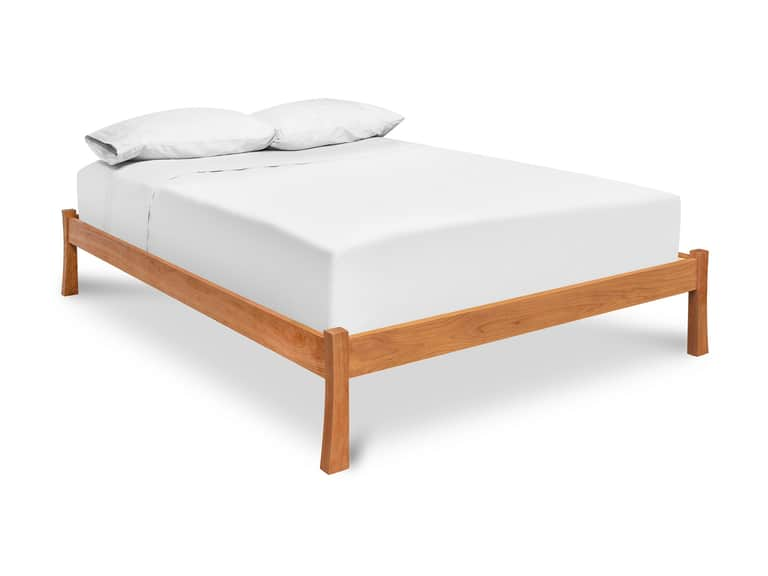
It is also worth distinguishing the mattress from the surrounding bed system. The frame or base affects height, stability, and the type of support beneath the mattress. Check the mattress maker’s guidance about slat spacing, platform support, and adjustable bases before purchasing. A well-made mattress cannot compensate for a base that is unsuitable for its construction, and compatibility can have implications for both performance and warranty terms.
Durability begins before the first night
Longevity is shaped by materials, construction, use, and care. Strong fibres or a substantial support system may contribute to durability, but no material name alone guarantees that a mattress will retain its feel indefinitely. Hand-tufting, coil design, layer density, edge construction, and the quality of stitching can all be relevant, depending on the type of mattress. Ask the manufacturer what care it recommends and whether the mattress is intended to be rotated or turned.
Review the warranty and trial policy before ordering. Understand what is covered, what is excluded, and whether normal impressions or changes in feel are addressed. Find out how returns work, who pays for collection, and whether a trial period has specific conditions. These practical details matter particularly when you cannot test the mattress in person or when the feel is unfamiliar.
Protective covers can help guard against spills and wear, but choose one that does not undermine the feel you selected. A thick or impermeable protector may change the surface sensation or breathability. Follow the mattress maker’s instructions, and avoid applying cleaning products directly to materials unless they are expressly recommended. A simple care routine, matched to the product, is often more useful than improvised treatment.
A thoughtful comparison checklist
Before deciding, place the leading options side by side and compare them on more than price or a headline certification. A concise checklist can keep the process grounded:
- Materials: Identify the cover, comfort layers, support core, and any notable additional components.
- Certification: Confirm which parts are covered and what the relevant standard actually evaluates.
- Feel: Consider firmness, pressure relief, responsiveness, and how you sleep.
- Fit: Check dimensions and compatibility with your frame or base.
- Care: Understand whether the mattress should be rotated, turned, or protected in a particular way.
- Aftercare: Read the warranty, delivery arrangements, and trial or return conditions.
- Transparency: Look for specific, model-level information rather than broad claims that cannot be checked.
The final measure is how it lives with you
The most persuasive organic mattress is not necessarily the one with the longest list of natural materials or the most prominent collection of badges. It is the one whose construction you understand, whose claims can be verified, and whose support and comfort suit your needs. Material standards can help narrow the field; they cannot make the final decision on your behalf.
Take the time to compare the cover, cushioning, and support core as a complete system. Read certification claims with attention to scope. Consider your preferred sleeping position and the feel you want, then check the base, care requirements, and trial terms. With those details in view, an organic mattress becomes less an abstract promise and more a considered choice: a piece of bedroom architecture designed for everyday rest, selected with both discernment and comfort in mind.